Garden maintenance for homes near Queens Park station NW6
Posted on 03/11/2026
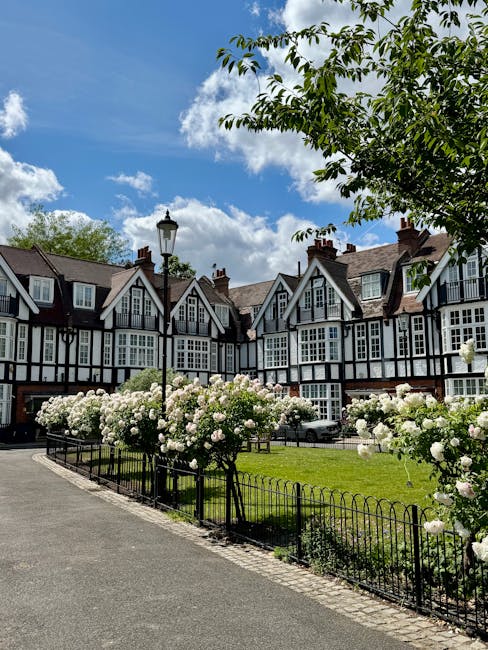
If you live close to Queens Park station, you already know the charm of the area: compact front gardens, tucked-away rear plots, a bit of shade from mature trees, and the usual London mix of paved surfaces, stubborn weeds, and soil that never quite behaves itself. Garden maintenance for homes near Queens Park station NW6 is really about keeping that outdoor space healthy, tidy, and useful without turning every weekend into a battle. Whether your garden is a narrow city strip, a family space, or a small courtyard that doubles as a calm escape, the right routine makes a noticeable difference.
This guide breaks down what maintenance actually involves, why it matters in NW6, how to approach it step by step, and where a bit of expert planning can save time, money, and future headaches. You'll also find practical checklists, a comparison table, and a realistic example from a typical local garden. Nothing fancy. Just the stuff that works.
Why Garden maintenance for homes near Queens Park station NW6 Matters
Gardens around Queens Park station tend to work hard. They often face shade from neighbouring buildings, pressure from foot traffic, limited storage for tools, and a layout that asks a lot from a small footprint. If maintenance slips, you usually see it quickly: weeds creep into borders, lawns thin out, hedges get leggy, and patios start looking tired. A small patch can go from welcoming to neglected in what feels like five minutes. Or a wet month, which is not exactly rare.
The local setting matters too. NW6 gardens often sit in a dense urban environment, which can mean more dust on leaves, less airflow, and faster moss build-up on paving and decking. Plants may also compete with roots from nearby trees and boundary planting. That means garden care here is not just about neatness; it is about resilience. Regular attention keeps the garden functioning properly through spring growth, summer dry spells, autumn leaf fall, and winter damp.
There is also the human side of it. A garden near Queens Park is often part of daily life, not a distant hobby plot. It might be where you drink coffee before work, keep children occupied, or try to get ten quiet minutes after a long day. When the space feels looked after, the whole home feels better. Simple as that.
How Garden maintenance for homes near Queens Park station NW6 Works
In practice, garden maintenance is a repeatable routine rather than a one-off task. The aim is to keep growth controlled, soil healthy, surfaces clean, and planting beds balanced. Good maintenance is seasonal, but it also responds to what is happening right now. A windy week, a sudden flush of weeds, or a hedge that has shot up after rain all call for different actions.
A reliable maintenance plan usually includes:
- lawn care such as mowing, edging, feeding, scarifying, and patch repair
- hedge trimming and light pruning to maintain shape and density
- weed control in borders, paths, and between paving joints
- soil improvement with compost or other organic matter
- deadheading, tidying, and checking for pests or disease
- clearing leaves, debris, and built-up moss
- surface care for patios, paths, fencing, and decking
The best maintenance plans are not overly complicated. They are consistent. A short visit every couple of weeks often does more than one heroic tidy-up every few months. The garden stays manageable, and you avoid that slightly awkward moment where the job suddenly becomes a restoration project.
For some homes, a maintenance visit is mainly about keeping things neat. For others, it supports broader improvements such as creating privacy, making space for seating, or gradually reshaping a tired plot. If that is your situation, it can help to read about starting a garden overhaul before diving into the practical schedule.
Key Benefits and Practical Advantages
There are obvious benefits, like a tidy-looking garden. But the real value goes a bit deeper.
- Healthier plants: regular feeding, mulching, pruning, and watering support stronger growth.
- Lower long-term costs: catching issues early is usually cheaper than fixing damage later.
- Better use of space: small gardens near the station often need careful layout, not just maintenance.
- Less stress: a space that is under control feels easier to enjoy.
- Improved privacy: shaped hedges, climbers, and screening planting can make compact gardens feel more secluded.
- Safer surfaces: regular patio, path, and decking care reduces slips, moss, and grime build-up.
There is a quiet practical gain too: a maintained garden is easier to read. You can spot what is thriving, what needs replacing, and where the space could be doing more. That clarity helps whether you are staying for years or planning to sell. People notice gardens, especially in London streets where outdoor space is at a premium.
Expert summary: In a compact NW6 setting, successful garden maintenance is less about dramatic makeover work and more about rhythm, observation, and small, timely jobs done well.
If your garden feels a little bare or overexposed, it may also be worth exploring planting ideas such as dwarf trees for compact gardens or ground covers that soften borders and suppress weeds. Those additions can make maintenance easier, not harder, when chosen well.
Who This Is For and When It Makes Sense
This type of maintenance suits a lot of homes near Queens Park station, but especially the following:
- homeowners with small front or rear gardens who want a tidy, low-fuss routine
- busy households that cannot commit to weekend gardening every week
- landlords or property managers who need outdoor areas kept presentable
- families who use the garden daily and need it safe and functional
- people dealing with overgrown hedges, ivy, weeds, or patchy lawns
- new residents who have inherited a garden that needs sorting out
It also makes sense when the garden has a few warning signs. Are the borders getting swallowed by weeds? Is the lawn thinning at the edges? Is the hedge hiding the light? Those are the moments where maintenance stops being optional and starts becoming essential.
To be fair, you do not need a "problem" to justify maintenance. Some people simply want a better rhythm. A garden that is looked after regularly tends to be more enjoyable, more flexible, and far less demanding.
Step-by-Step Guidance
1. Start with a proper assessment
Walk the garden slowly and look for the obvious first: weeds, dead growth, drainage issues, moss, broken edging, overgrown shrubs, and areas where the light has changed. If you can, do this after rain and again on a dry day. The differences can be surprisingly useful.
2. Prioritise safety and access
Before pruning or clearing, check for slippery paving, hidden hazards, loose fence panels, unstable branches, and awkward access points. In narrow NW6 gardens, it is easy to focus on the plants and forget the practical route through the space. Don't. A clear working area saves time and accidents.
3. Tackle the garden in zones
Divide the space into manageable sections: lawn, borders, hedge line, patio, side return, and any raised beds or containers. This helps you see progress and keeps the work from becoming overwhelming. It is oddly motivating, too.
4. Deal with weeds and unwanted growth early
Remove weeds before they seed, and keep an eye out for persistent spreaders like ivy and bramble. In a compact garden, these can take over fast. If ivy is already climbing fences or walls, the job may need a careful approach; for a focused look at that issue, see this guide to ivy removal.
5. Restore soil and planting structure
Healthy soil is the engine room. Add organic matter where beds look tired, compacted, or dry. Mulch helps lock in moisture and suppress weeds, especially in exposed areas. For a deeper explanation of soil improvement, read why organic matter matters for soil fertility.
6. Trim, shape, and rebalance
Hedges, shrubs, and climbers often need more than a quick chop. Aim for clean lines, healthy structure, and enough light to reach lower growth. If privacy is part of the brief, hedge choice and trimming style both matter. A useful follow-up is rapid-growth hedges for better screening.
7. Finish with surface cleaning and detail work
Once the planting areas are under control, clear leaves, sweep patios, wash down hard landscaping where needed, and check edges, pots, and planters. That final tidy makes the whole space read as cared for. It sounds small, but it isn't.
Expert Tips for Better Results
These are the little things that separate a decent garden from one that quietly looks great all year.
- Use mulching as a habit, not a rescue measure. A thin, well-timed layer does more than a panic feed later on.
- Cut hedges with the plant's shape in mind. Flat sides and a slightly tapered top often help light reach the lower growth.
- Don't overwater by instinct. Many London gardens suffer more from inconsistent watering than from lack of enthusiasm.
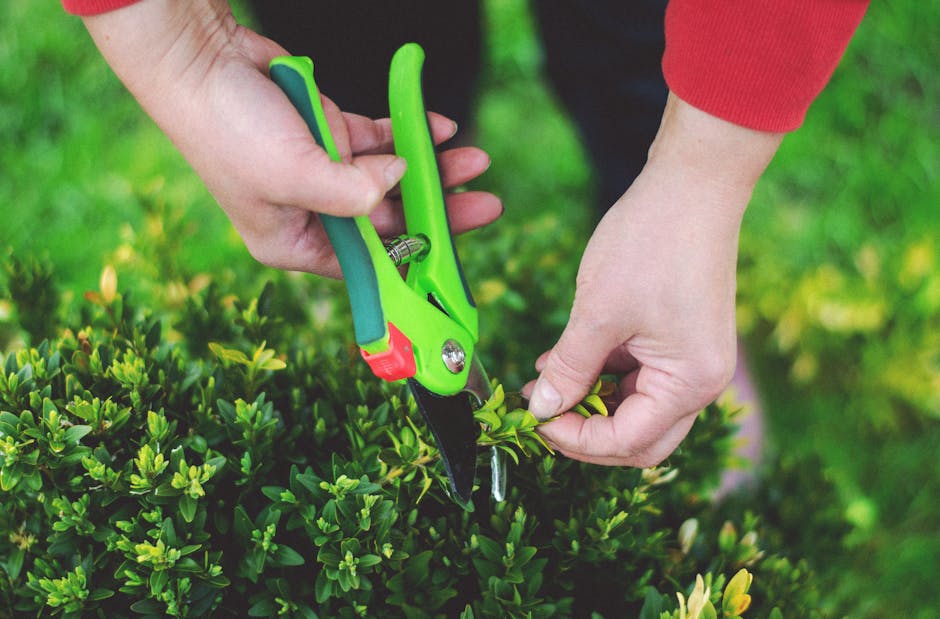
- Keep a small tool kit handy. A sharp pair of secateurs, a hand fork, gloves, and a sturdy broom handle a lot of the basics.
- Work with the season. Spring is for clearing and feeding; summer is for control; autumn is for leaf management and soil prep; winter is for protection and planning.
A practical example: if a narrow rear garden gets morning shade and afternoon sun, focus on soil structure and drainage first. In that sort of space, plants often struggle because the ground is either too dry in one corner or too damp in another. A bit of observation solves more than guesswork does.
If you are thinking about making the garden lower effort overall, you may also find budget-friendly low-maintenance ideas and vertical gardening approaches useful. Both can help a small NW6 garden work harder without feeling crowded.
Common Mistakes to Avoid
A lot of garden trouble starts with good intentions and then, well, a bit of overconfidence.
- Letting maintenance become seasonal only: a twice-yearly clean-up is usually too late for compact gardens.
- Cutting back too much at once: hard pruning can shock plants, especially if they are already under stress.
- Ignoring the soil: plants can look fine above ground while struggling badly underneath.
- Using the wrong plant in the wrong place: shade, wind, and poor drainage will win every time.
- Forgetting hard landscaping: a clean border with a filthy patio still reads as neglected.
- Not planning for winter: wet weather, frost, and wind can undo summer effort very quickly.
Another common one is planting for the moment rather than the long term. A quick burst of colour is lovely, but if it turns into constant work, it can get old. Fast. If you want ideas that are easier to live with, evergreen climbers for shade can be a smart way to add structure without constant seasonal collapse.
Tools, Resources and Recommendations
You do not need a van full of gadgets. Honestly, too many tools just create clutter. The essentials are enough for most homes near Queens Park station NW6.
- sharp secateurs for pruning and deadheading
- hedge shears or a hedge trimmer for regular shaping
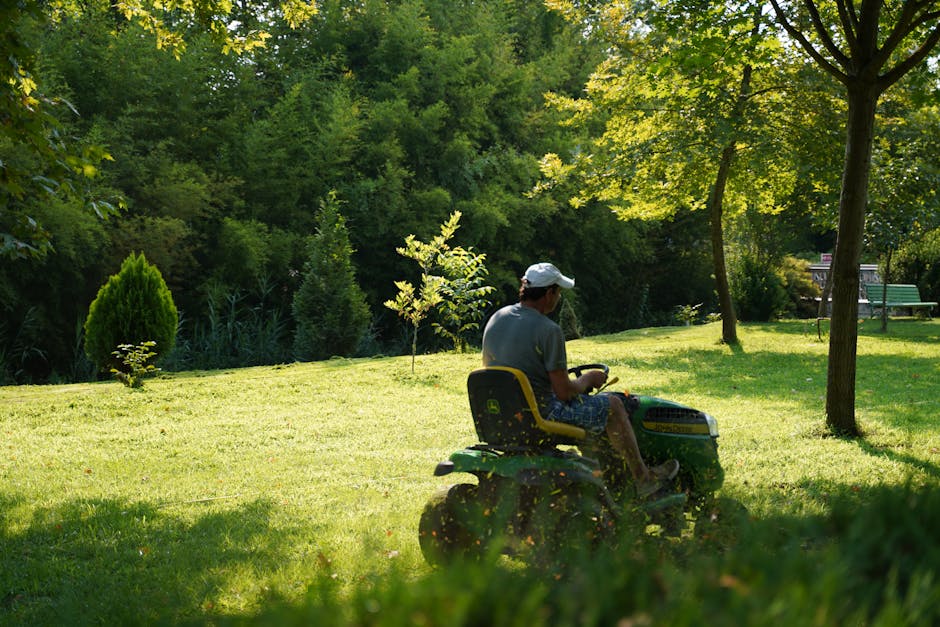
- a lawn mower suited to your lawn size
- a spring-tine rake for leaves and thatch
- a hand fork and trowel for weeding and border work
- stiff broom and patio brush for hard surfaces
- gloves, kneepads, and a watering can or hose with a sensible nozzle
If you are setting up or refreshing your kit, the article on must-have garden tools is a solid place to start. For people who are short on time, choosing the right tools matters as much as owning them. The wrong mower in a tiny garden can be more of a nuisance than a help. Same with overpowered strimmers on delicate edges.
For planting ideas that work well in smaller spaces, artistic hedge trimming, garden seating ideas, and even zen garden inspirations can help shape a calmer, more intentional layout.
Law, Compliance, Standards and Best Practice
For most domestic garden maintenance, the main concern is not heavy regulation; it is responsible practice. That said, there are a few sensible standards worth keeping in mind in the UK context.
Waste handling: green waste, soil, old fencing, and broken materials should be removed and disposed of properly. Do not assume everything can go in general household waste. Good practice is to separate reusable material, compost suitable clippings where possible, and keep contaminated waste out of the clean pile.
Safety: cutting tools, ladders, and powered equipment should be used carefully and maintained properly. If tree work, high hedge work, or awkward branch removal is involved, it may be better left to trained professionals. A small job done badly can become a bigger one quickly.
Neighbour relations: in dense streets near Queens Park, overhanging growth, hedge height, and shared boundaries can cause tension if left unmanaged. A tidy boundary and early communication go a long way. Not glamorous, but very useful.
Professional standards: if you hire help, it is reasonable to expect clear pricing, sensible timing, tidy work, and appropriate insurance and safety practices. If you want to learn more about how a provider approaches these matters, the site's insurance and safety information, health and safety policy, and terms and conditions are useful to review. You can also read the privacy policy and cookie policy if you are comparing service providers online.
For service pages relevant to planning or booking, see garden maintenance in Queens Park, gardening services in Queens Park, and pricing and quotes. If hedges are the main problem, hedge trimming in Queens Park is the obvious starting point.
Options, Methods, and Comparison Table
There is no single right way to maintain a garden. The best method depends on time, budget, the size of the space, and how formal you want it to look.
| Approach | Best for | Pros | Limitations |
|---|---|---|---|
| DIY maintenance | Small, simple gardens and hands-on homeowners | Flexible, low direct cost, full control | Time-consuming, easy to miss seasonal jobs |
| Scheduled professional visits | Busy households and medium-maintenance spaces | Consistent results, less stress, better upkeep | Requires ongoing budget and trust in the provider |
| One-off clear and tidy | Overgrown gardens or move-in/move-out situations | Fast reset, dramatic visible improvement | Needs follow-up to stay under control |
| Hybrid approach | People who enjoy some gardening but want support with heavier work | Good balance of cost and convenience | Requires a clear plan of who does what |
In many NW6 homes, the hybrid approach works best. You handle the light touch jobs, and a professional steps in for pruning, mowing, hedge shaping, patio cleaning, or more awkward seasonal work. That usually keeps the garden looking sharp without taking over your life.
If hard surfaces are letting the side down, patio cleaning can make a surprising difference. Likewise, if your lawn is the biggest issue, lawn care and lawn mowing are often the most efficient way to restore order.
Case Study or Real-World Example
A typical local example: a narrow garden a short walk from Queens Park station had a patchy lawn, a crowded rear border, and a patio that had gone slightly green after a damp winter. Nothing dramatic. Just one of those spaces that starts to look smaller every month because everything is a bit too much.
The first visit focused on clearing leaves, cutting back the hedge, removing weeds from paving joints, and lifting dead material from the borders. The second phase improved the soil with compost, redefined the lawn edge, and introduced a few low-maintenance plants to soften the fence line. A couple of climbing plants added privacy. The patio got a deep clean, which made the whole garden feel brighter, even though nothing had changed structurally.
What made the difference was not one large intervention. It was the sequence. Tidy first, then strengthen, then refine. That sequence works because it makes the space easier to maintain afterwards. You stop fighting the garden and start guiding it.
And yes, the owners noticed something else: they used it more. A garden that feels manageable tends to get lived in, not just looked at through the window while you mean to do something about it next weekend.
Practical Checklist
Use this as a quick seasonal or monthly check.
- Check lawns for thinning patches, moss, and uneven growth
- Remove weeds from borders, paths, and paving joints
- Trim hedges and shrubs before they become unruly
- Deadhead flowers and remove yellowing growth
- Top up mulch or compost where soil looks tired
- Clear leaves and debris from patios, drains, and corners
- Inspect fences, trellises, and other boundary features
- Water containers and newly planted areas more carefully
- Watch for pests, mildew, and signs of stress
- Plan the next seasonal task before the garden slips again
Quick reality check: if three or more items on this list have been neglected for a while, it is probably time for a more structured reset rather than another hurried tidy-up.
Conclusion
Garden maintenance for homes near Queens Park station NW6 is really about keeping a small or medium London garden working beautifully in real life. That means healthy soil, controlled growth, tidy surfaces, sensible planting, and a routine that matches how you actually live. The aim is not perfection. It is a garden that feels calm, useful, and easy to enjoy through the seasons.
If you stay consistent, the work gets lighter, the results get better, and the garden starts giving back more than it takes. That is the sweet spot. A little attention now saves a lot of strain later, and honestly, it just feels better to step outside into a space that is in shape.
Get a free quote today and see how much you can save.

Utilizing her extensive background in the gardening field, Leatrice authors articles spanning a variety of gardening and landscaping subjects. Her assistance has led to the appreciation of beautiful garden designs by many.